1. Quick call, clear plan
You tell the team what was found and where. It explains how the sweep will go and what access it needs.
Milford, NH · Hillsborough County
Do not pick it up. If you see a needle, lancet or syringe in Milford, call (877) 812-4220 and let a cleanup team handle the sharps removal, sealed containers and disposal.
If anyone is in danger, call 911 first. For a suicide crisis, call or text 988.
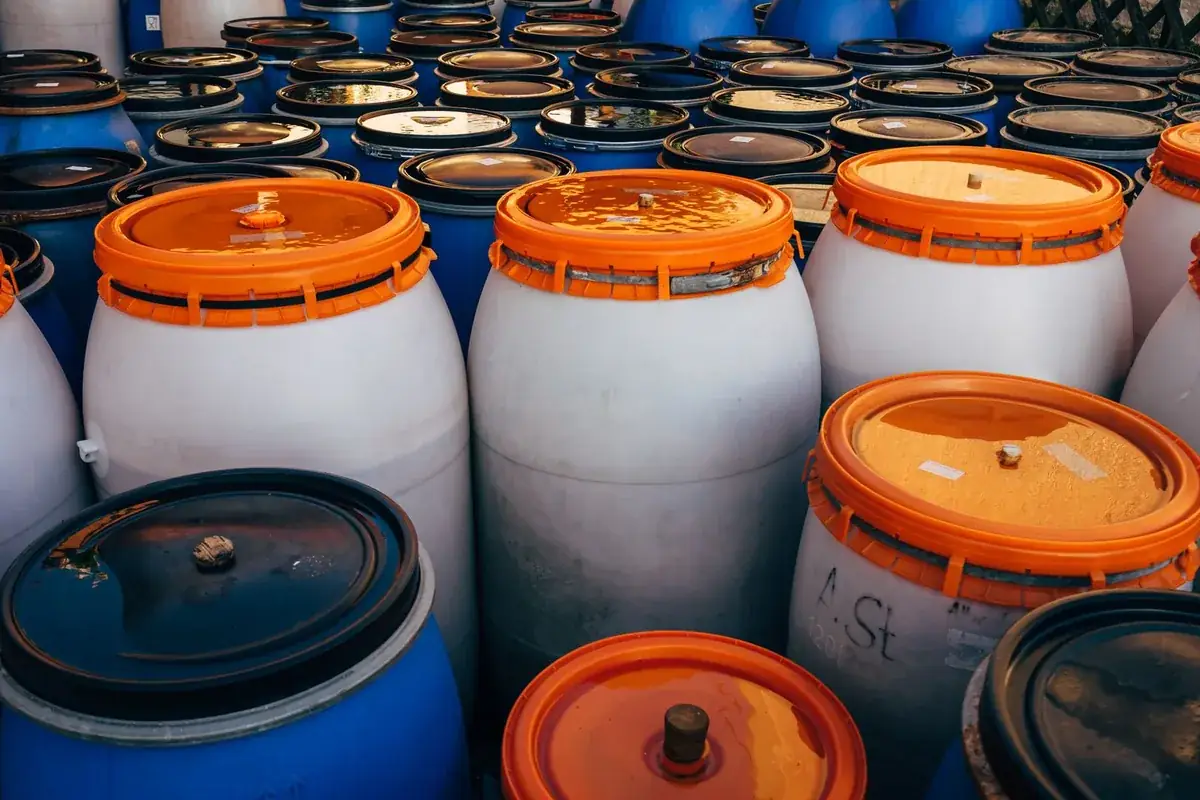
Sharps contamination happens when needles, blades or glass with possible blood on them are left where people can reach them. Cleanup includes collection, disinfecting nearby surfaces and sealed transport.
With help from Milford Biohazard Cleanup Help, you get a local team in Milford that knows sharps must never be touched barehanded. Crews contain the hazard, haul it away and clean the space across Hillsborough County.
Renters make up about 41% of households in Milford, so landlords and property managers often need a sharps sweep after a move-out. A stick, cut or splash should be checked by a doctor without delay. St Joseph Hospital in Nashua serves people in and around Milford.
What needle & sharps cleanup covers:
You tell the team what was found and where. It explains how the sweep will go and what access it needs.
Crews check under rugs, inside vents, in pockets of clothes and in other spots where syringes are tucked away.
Each needle is picked up with a tool and dropped into a rigid, puncture-resistant container, then sealed.
Containers go to a facility that treats medical waste, and the owner can ask for a record of what was found.
The cost of needle & sharps cleanup in Milford, NH depends on the amount of material, how it is packed and how it is hauled.
The size of the area is a major factor. A small patch of yard takes less time to search than a multi-room unit, a vacant building or a large lot.
| Type of job | Typical range |
|---|
Estimates only, not a quote. Sources: . Price drivers include number of items, where they are found, whether a sweep of a large area is needed, waste disposal. Call (877) 812-4220 to talk through the job.
Yes. Insulin pen needles, lancets and similar small devices are sharps, even though they are used for health care. They should go into a rigid container, never loose into trash.
Lease terms and local law decide. A landlord, an attorney or a tenant rights group can say who is responsible. In many cases the property owner books the sweep first so the unit can be used again, and the cost is sorted out afterward.
Safer options exist. Many cities and health departments have programs for found needles and may give instructions or send someone. If you are unsure, do not touch it. Leaving a needle in place and keeping others away is safer than risking a stick.
A used needle can carry bloodborne pathogens such as hepatitis B, hepatitis C and HIV. The chance of infection from one stick depends on many things, and a doctor can explain what applies. Get medical care promptly after any stick or cut.
A local biohazard cleanup team can search the area and remove needles and other sharps. Some cities and health departments also help with found needles on public land. For a single needle outdoors, the health department is a good first call, and for anything bigger, a cleanup team.
No. Recapping or bending a used needle is one of the most common ways people get stuck. Leave it where it is and let a cleanup team lift it with a tool and place it in a container.
A full sweep finds the needles you can see and the ones you cannot.
Call (877) 812-4220